
Title: Wild Camping the Oregon Way: Insider Tips and Local Secrets
Laying the Groundwork: Rules and Regulations
Any local will tell you, Oregon is a stunning showcase of the Pacific Northwest’s natural beauty. It feels magical from the stunning Oregon Coast to the Cascade Ranges. But before you find a place under the stars, it’s crucial to know the rules. Always check if wild camping is allowed in your chosen area. On Oregon’s public lands, such as the Mark O. Hatfield Wilderness, camping is generally acceptable as long as you stay 200 feet away from lakes, streams, and trails to protect the environment.
Oregon’s Don’t-Leave-A-Trace Ethos
Oregonians cherish their green spaces and are passionate about preserving them. Familiarize yourself with the Leave-No-Trace Seven Principles, not just for conservation’s sake but also to maintain the good graces of local residents. With locals respected viewpoint, these principles work best in all the terrain types of Oregon, from the Siskiyou National Forest to the drier expanses of Hell’s Canyon.
Coastal Camping: Relish Oregon’s Ocean Views
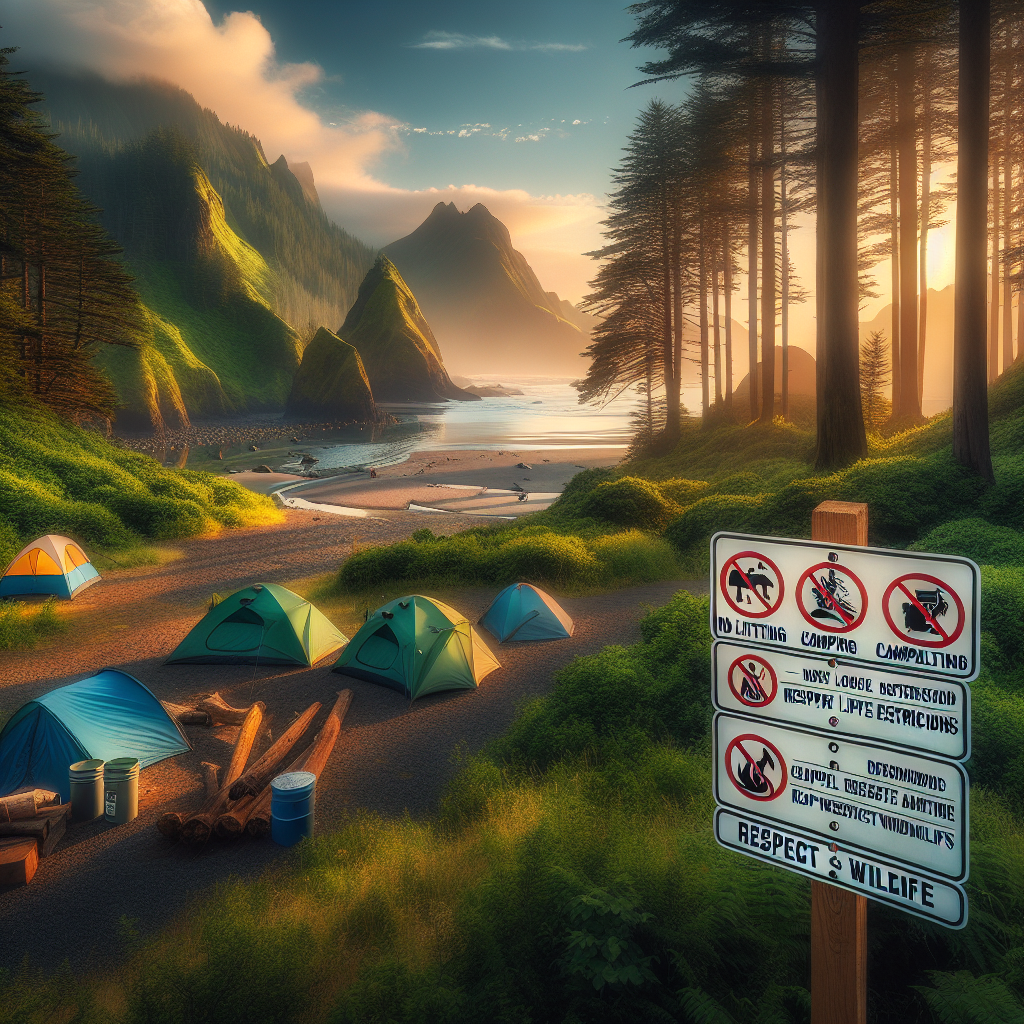
The breathtaking Oregon coast, with its dramatic cliff faces and rocky shorelines, is a favorite among wild campers. Seaside spots like Cape Lookout State Park offer exceptional ocean views. However, that Pacific breeze may cool down quickly, especially during the fall and winter months when winds can whip up quite abruptly. Pack warm clothing and a robust tent to withstand those coastal zephyrs, especially after sunset.
Forest Camping: Get Lost in Oregon’s Wilderness (Not Literally, Please!)
Nothing compares to sleeping under the towering trees of the Tillamook or Mount Hood National Forest. The key to success? Choose campsites wisely. Find a natural clearing so as not to damage precious vegetation. And remember, many popular forest routes like Bagby Trail get busy fast during the peak summer season, so think about taking the path less traveled, perhaps around Roaring River Wilderness – it’s much quieter.
River-side Camping: Enjoy the Serenity of Oregon’s Flowing Waters
Riverside camping, such as in spots along Deschutes or Rogue River, provide serene settings. Beware of the potentials for rapid water rise, especially during Oregon’s wet season. Set up camp off to the side, away from the water’s edge, and enjoy the relaxing gurgle of the river from a safe distance.
Fire Rules: Oregon’s Keeping It Safe
Wildfires have been an issue for Oregon in recent years, so locals are extremely cautious with campfires – a great lesson for everyone else too! Even in the wetter seasons, it’s best to avoid campfires in heavily wooded areas. If absolutely necessary to have one, follow local regulations strictly and never leave a campfire unattended.
Respecting Wildlife: Sharing Oregon’s Natural Habitat
From the cheeky squirrels of the Columbia Gorge area to the elegant elks of the Ochoco National Forest, Oregon’s fauna is varied and plentiful. However, it’s vital to keep a respectful distance, ensuring both your safety and theirs. To avoid unwanted nocturnal visitors, remember to securely store food and trash, especially in bear country.
Hammock Camping: Swinging the Oregon Way
Hammock camping has grown popular, and there’s no better place to sway between two trees than the lush greenery of the Willamette National Forest. However, ensure that trees are strong and healthy before securing a hammock to avoid damage and potential accidents.
Oregon: A Wild Camper’s Haven
Oregon is a treasure trove for outdoor enthusiasts, rich in diverse landscapes and camping experiences. Embrace the Oregonian spirit by respecting the sanctity of its parks, forests, rivers, and shores. From the crashing waves of Cannon Beach to the tranquil silence of the Wallowa Lake State Park, camping the wild, Oregon way is an experience that truly can’t be missed. Enjoy the serenity of sleeping under the stars, just as a local would, and become part of the family preserving these spaces for generations to come.