
The Ultimate Guide to Mushroom Foraging Spots in Oregon for 2025
Oregon is the perfect embodiment of the Pacific Northwest’s rich biodiversity. Among the extensive greenery, nestled within mossy canopies and alongside winding trails, Oregon hides some of the region’s finest fungal treasures. Awakening with the damp chill of early morning, local foragers make their way to Oregon’s lush wilderness, armed with nothing more than their sharp eyes, canvas bags, and a love for all things mycology.
1. Estacada’s Memaloose Hills
In the small town of Estacada lies the mushroom haven of Memaloose Hills. Renowned for the diverse range of wild mushrooms, the most robust time for foraging is typically in the autumn months. Here, you’ll find varieties like chanterelles and morels. Be careful not to confuse them with false chanterelles, always look for the distinctive deep, egg-yolk yellow.2. Siuslaw National Forest
Located near Corvallis, the Siuslaw National Forest offers abundant edible mushrooms for the experienced forager. Remember, a Mushroom Permit is required before foraging in this region; permits are available at local ranger stations. Keep an eye out for the coveted Matsutake mushroom, a delicacy in many parts of the world.
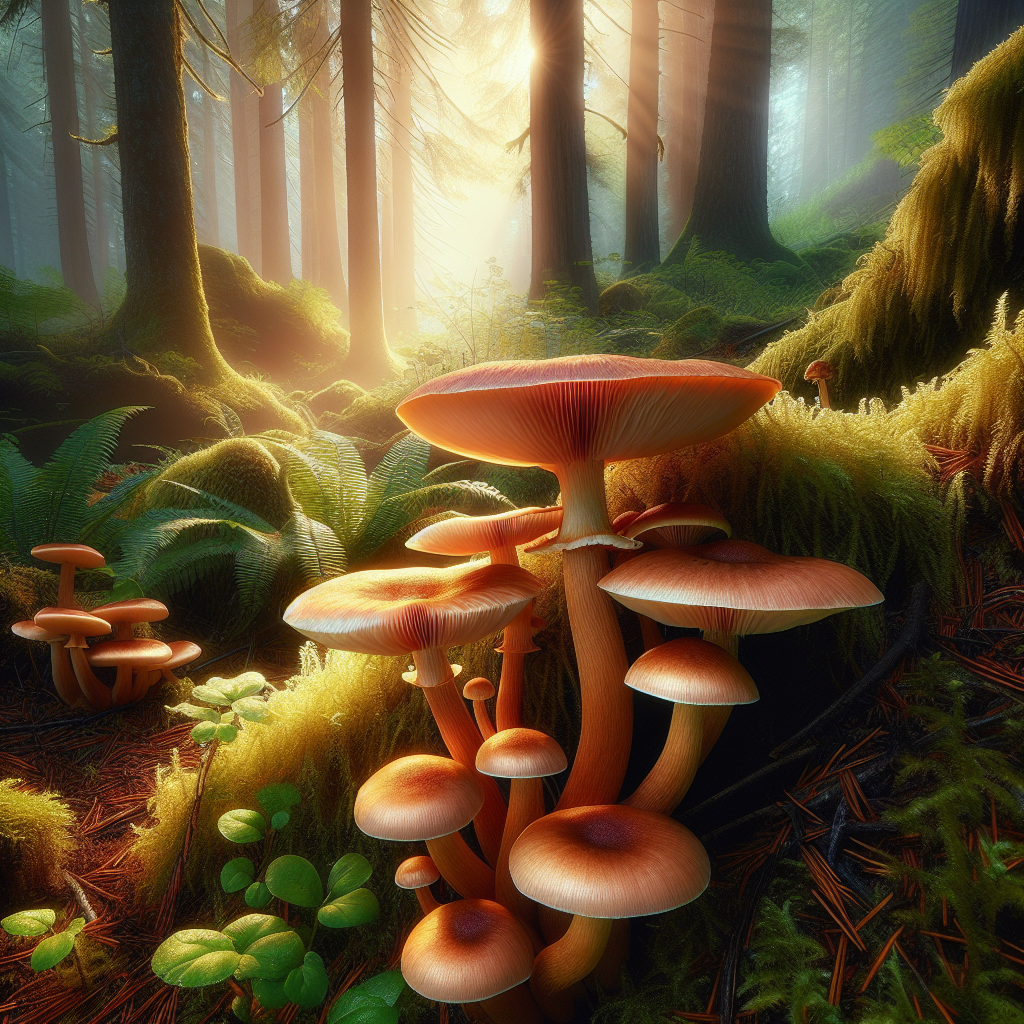
3. Mount Hood National Forest
Just over an hour east of Portland, Mount Hood National Forest is a favorite among dedicated foragers with its numerous trails and distinctive array of mushrooms like hedgehog and bolete. Remember, always cut your mushrooms at the base to encourage new growth and keep the mycelium intact.4. Tillamook State Forest
Over on the Oregon Coast, Tillamook State Forest offers nearly 500,000 acres ripe for foraging. Wet winters and regular rainfall provide ideal fruiting circumstances for mushrooms like slippery jacks and morels. Do remember to wear bright clothing during hunting season, though!5. Rogue River-Siskiyou National Forest
In Southern Oregon, Rogue River-Siskiyou National Forest is a hot spot for foragers, particularly between summer and early fall. Make sure to gather a variety of fungi, including chanterelles and matsutake, but don’t get lost in the expansive forest backdrop.6. Mount Pisgah Arboretum
Located a stone’s throw from Eugene, the Mount Pisgah Arboretum is an ideal spot for beginners, offering guided mushroom walks during the fall season. Catering especially to budding mycologists, the Arboretum thrives with porcini and shaggy manes.7. Opal Creek Wilderness
Opal Creek Wilderness, nearby to Salem, is famous for old-growth forests that house many fungal species. Get ready to spot everything from lion’s mane to shaggy ink caps – but remember, leave no trace to conserve this ancient forest’s fragile ecosystem.8. Cape Lookout State Park
Nestled in the heart of Three Capes Scenic Route, Cape Lookout State Park thrives with chanterelles. After heavy rainfall, you’d be surprised at the bounty. Plus, you can camp overnight, prolonging your foraging adventure.9. Deschutes National Forest
Not far from Bend, Deschutes National Forest is a mushroom forager’s paradise. Hardwood species are aplenty, so look out for distinctive mushrooms like oyster and chicken of the woods. Remember to wear a hat and apply sunblock on clear days as the area can get quite hot.10. Silver Falls State Park
Silver Falls State Park, east of Salem, offers stunning waterfalls and a rich diversity of fungi like the hen-of-the-woods and turkey tails. A guided mushroom foray with a ranger can enlighten you immensely on the fungal life in the park. Remember to bring a mesh bag to carry your harvest, keeping the spores in the park!Oregon’s soil and climate nourish an extraordinary range of flavorsome fungi. Foraging is more than just a treasure hunt; it’s a testament to Oregon’s bounty and a way to interact organically with nature. From budding mycologists to culinary adventurers or anyone just looking for a fun weekend activity, mushroom foraging reflects Oregon’s vibrant, wild, and adventurous spirit. So lace up your boots, grab a basket, and get out there. Happy foraging, Oregon!