
Uncovering the Grape Reality: Climate Change & Oregon’s Beloved Wine Industry
Nestled between the Coastal Range and the magnificent peaks of the Cascades, Oregon’s verdant Willamette Valley is a grape lover’s paradise. Blanketed by delicate tendrils of morning fog and bathed in the gentle Pacific Northwest sunlight, it’s no wonder this place is the birthplace of some world-renowned Pinot Noir. The temperate climate has been a siren song to generations of vintners. Yet despite Oregonians’ loyal commitment to their terroir, the stage may be set for a subtle, bitter transformation in the wine industry, as the impacts of climate change steadily seep into the vines.
Rising to the Challenge: Winemakers Grapple With Heat
In the heart of the valley, Terry Brandborg of Brandborg Vineyard and Winery in Elkton is not one to sugarcoat things. “We’re seeing warmer years, less cloud cover. Grapes are ripening sooner”, he notes. His great-great-grandfather planted his first vines amid Oregon’s timber-covered hills back when the state was pegged as just another frontier. Today, five generations later, the Brandborg family faces a frontier of a different kind. Warmer annual temperatures, less rain, and shifting seasons are forcing Oregon vintners to adjust their viticulture practices.
Even boutique wineries like Brooks in Amity and Adelsheim Vineyard in Newberg are feeling the heat. In response, vineyard managers are shifting growing practices. Some are even planting new varietals better suited for warmer climates. Pinot Noir, a delicate grape needing just the right blend of rain and cool weather to flourish, may perhaps not be Oregon’s signature wine much longer.
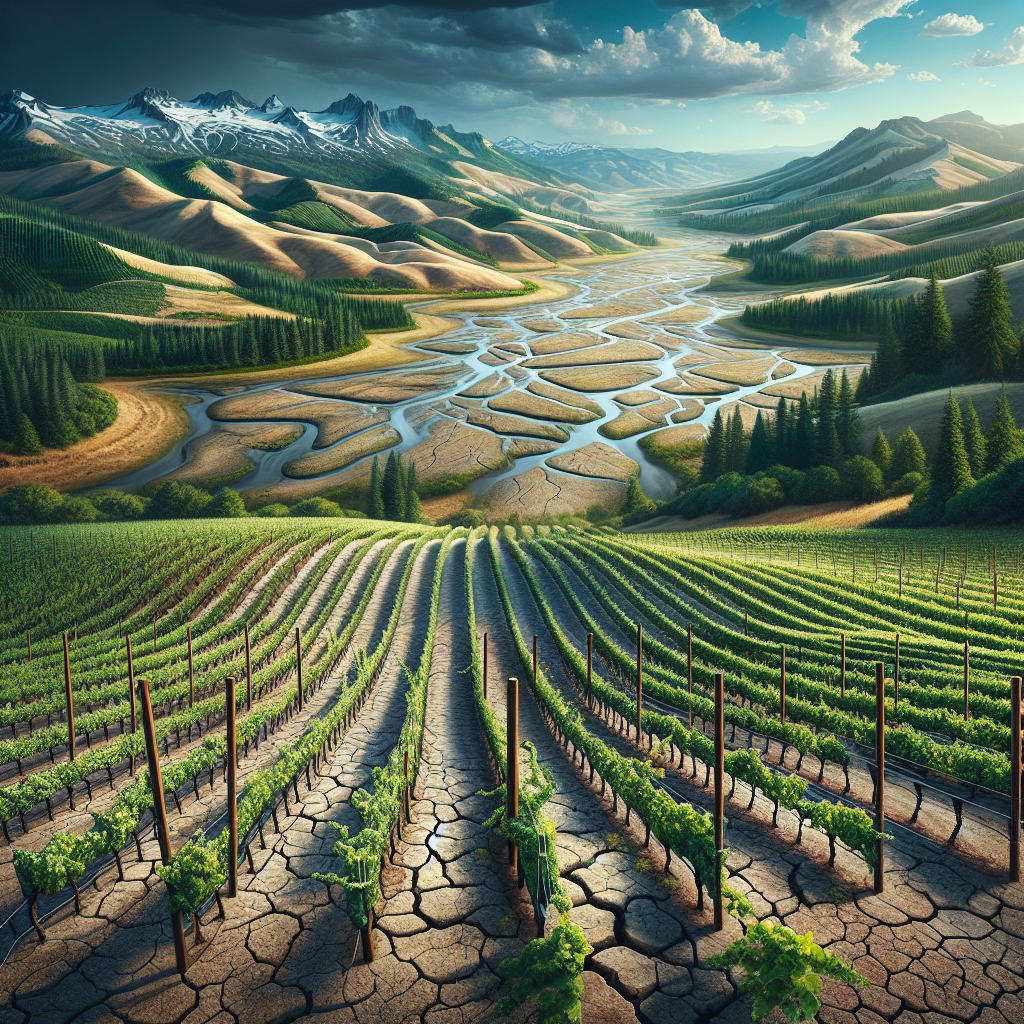
When Rainforest Meets Vineyard: Oregon’s Toast to Resilience
Just east of Brooks, Oneonta Gorge’s lush, moss-covered rocks and crystalline waterfalls give a deceptive sense of permanence. Yet, the same warming trends impacting our vineyards are threatening to change the face of Oregon’s iconic landscapes, including the Columbia River Gorge.
However, true to Oregon’s spirit of innovation, our winemakers aren’t letting a little extra heat throw them a curveball. As the saying goes, “You can’t make great wine without a bit of struggle.” Now, that struggle involves comprehensive soil management and water conservation practices responding to longer, hotter growing seasons.
Take Sokol Blosser Winery in Dayton. They’ve been pioneering organics and sustainability long before they were buzzwords. Committed to renewable energy, they’ve installed solar panels atop their tasting room, nestled like a gem against the rolling Dundee Hills. Their evolving practices are reshaping the very nature of wine production – a robust reminder of Oregon’s resilience and adaptation in the face of challenging circumstances.
A Future Uncorked: Adaptation Amid Uncertainty
So, what does the future hold for Oregon’s wine industry? Are we destined to become the next Napa, swapping our velvety Pinot for bolder, heat-tolerant reds like Cabernet and Syrah? It’s a bitter sip to swallow for the traditionalist. But here in Oregon, we’ve always had an intrepid spirit, a roll-up-your-sleeves-even-in-the face-of-a-deluge type mentality.
Wineries like King Estate in Eugene and WillaKenzie Estate in Yamhill are trialing a broader range of grape varieties. Exploring the adaptability of smoother reds and crisp white varietals may just be the recipe to survive a changing climate.
Ol’ Man River Vineyard: Embracing New Varietals
Just a stone’s throw from the wild and scenic Rogue River, Ol’ Man River Vineyard demonstrates how one vineyard is heeding the call for action. They’re planting Tempranillo, an Spanish grape varietal that can handle the sizzle without sacrificing the taste that draws thousands to Oregon’s vineyard tasting rooms each year.
Our evolving wine scene serves as an unexpected, yet profound climate change indicator – one that strikes at the very heart of Oregon’s identity. It’s as much a part of our culture as rooting for the Ducks, afternoons spent angling in the McKenzie, or complaining about the ‘Californication’ of Portland.
Yes, climate change is swishing through the wine glass, nuanced notes slowly altering the character of our endeavors. It may be a heady cocktail to down, but with the proven resilience of Oregon’s vintners, our wine story promises to intrigue, inspire, and inevitably, reveal our adaptability in a changing world.
So, let’s lift a glass to them, to Oregon, and its undeniable spirit of resilience. The wine might be changing, but the Oregonian spirit in every bottle is here to stay. As we say around here, “Keep on pourin’”, Oregon.