
Not Your Grandfather’s Oregon Wine Scene
As you sip on your sturdy Willamette Valley Pinot Noir or that bright, expressive Chardonnay from the Dundee Hills, you might not realize that the Oregon wine scene is continually maturing, evolving, and branching out – all more exciting than a race down the slopes of Mt. Hood. Thanks to brave and visionary vintners and our region’s diverse climate and geography, a whole new world of grape varieties and wine regions are stepping into the limelight.
Clinging to the Vines Amid Oregon Spruce and Douglas Fir
In the wine world, Oregon has long been synonymous with Pinot Noir. Much like Voodoo Doughnuts defines the quintessential Portland dessert scene, Pinot Noir’s title as the reigning vinifera grape in the local wine industry is hard to dispute. Yet, the future isn’t all about Pinot. Our state is revealing an adventurous side, nurturing less conventional grape varieties that are as vibrant and varied as the confluence of cultures at the Portland Saturday Market.
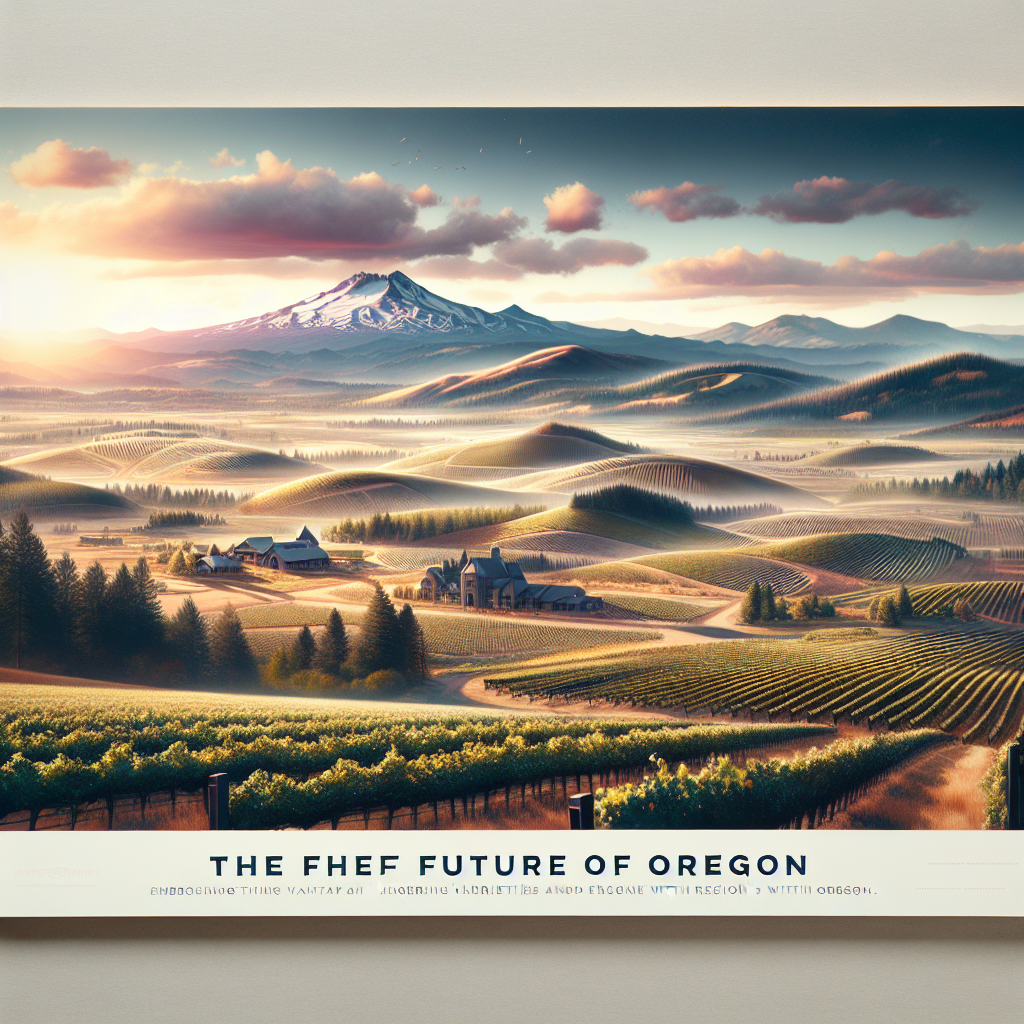
Integrated with the landscape, co-existing comfortably between wheat fields and apple orchards, are acres of Tempranillo, Malbec, Albariño, and Grenache vines. Tempranillo’s spicy nature is beautifully demonstrated by Abacela in the Umpqua Valley, while Troon Vineyard’s expressive Malbec has put Applegate Valley on the map for this bold red. Up north, it was Eyrie Vineyards that led the charge for Albariño, a zesty Spanish varietal demonstrating the Willamette Valley’s astonishing diversity. Meanwhile, the Southern Oregon AVA, that sun-soaked land south of the fog-cloaked Siskiyou mountains, is proving to be Grenache’s new best friend.
Uncorking New Terroirs: Emerging Wine Regions
Rogue Valley and Applegate Valley have long been the southern stars of Oregon’s wine industry along the wild and scenic Rogue River. Now, fresh potential is opening up east of the Cascades in corners of the state where more deer wander than people – stirring as an unexpected sight of a bald eagle on the Deschutes River.
Among these new regions stand the Rocks District of Milton-Freewater and the Grande Ronde Valley. The Rocks’ soil – a unique blend of basalt cobblestones and wind-blown silt – is reminiscent of the Rhône Valley’s Châteauneuf-du-Pape and ideal for Syrah. Owing their lineage to the likes of Christophe Baron of Cayuse Vineyards, these Syrahs have taken hold of that stony ground and found a new home.
Juxtaposed are the Elgin and Echo wine regions, nestled amid Eastern Oregon’s high desert, by the foothills of Blue Mountains and along the Umatilla River, unraveling the allure of Bordeaux varietals with an Oregon twist. Tangled Oak Vineyard and Echo West Vineyard, determined pioneers, coax resilient Cabernet Franc and Merlot vines to expression amidst whispers of sagebrush and bunchgrass.
The Resilient Charm of Oregonian Wineries
Refusing to simply rest on evolution’s laurels, local wineries are also led by a strong sustainability movement, much like the ethos that characterizes folks from Eugene to Bend to Hood River. Wineries such as Brooks in the Eola-Amity Hills and Stoller Family Estate in Dundee are pioneers in biodynamic and sustainable practices, manifesting a commitment to the land that stretches further than any trail in the Columbia River Gorge.
Several wineries in the Willamette Valley are followings Brooks and Stoller’s sustainable path by working with Salmon-Safe, a certification program initiated to reduce watershed impact. Meanwhile, the Carbon Neutral Challenge has set the goal to make Oregon the first wine region in the world with a carbon-neutral footprint.
Toasting the Future
Much like that moment of blissful peace between an Oregon sunset and the first twinkling of a star, the future of Oregon wine is imbued with tranquility and anticipation. Steady as the rhythm of rain against a Portland windowpane, it’s a future built on evolving exploration, sustainability, and a deep respect for the quirks of Oregon’s ever-changing climate. So, as we raise a glass to the future, one thing is certain – in Oregon, the adventure of wine continues to twist and turn like a coastal trail along the rugged Pacific. So why not grab your corkscrew, find a quiet spot along the McKenzie River, and embark on this vinous journey in our own exquisite backyard? The future is filled with complex, captivating flavors waiting to be savored, and there’s no time like the present to start exploring.