
Title: The Ultimate Guide to Crabbing on the Oregon Coast
Mention ‘crabbing in Oregon,’ and excitement rises, with images of bucketfuls of succulent Dungeness crabs dancing in the mind. As frequent visitors flock towards the coast, those in the know stay put right here in beautiful Oregon, for there’s something special about crabbing in these waters that compete with any other experience.
Part 1: The Right Time for Crabbing in Oregon
In Oregon, crabbing can be a year-round activity, but the best season is often determined by the weather, ocean conditions, and crab behavior. Come fall, between October and December, the crabs are more abundant as they move towards the shore to molt. Yet, any local will tell you that summer crabbing holds its own charm. Just be mindful of the local laws – recreational crab harvesting in bays, estuaries, beaches, tide pools, piers, and jetties is allowed all year, while in the ocean, it’s open only from December 1 to September 15.
Part 2: Required Gear and Bait
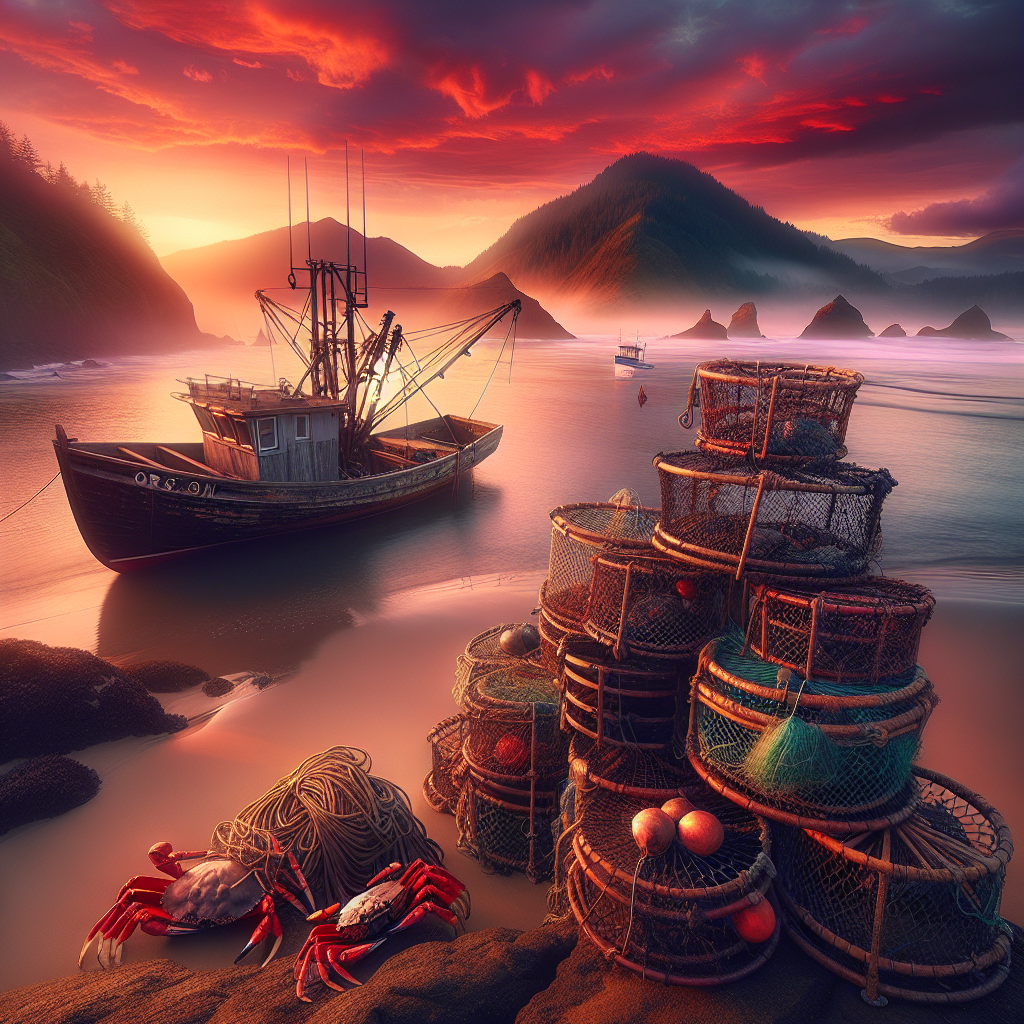
Depending on your choice of style, you may either use crab pots, rings, or snares. Crab pots are traditional but heavier and more expensive. Crab rings, on the other hand, are lightweight and affordable, while snares are the best bet for jetty and pier fishing. As for bait, fresh chicken is a local favorite. You can grab some from any supermarket, or if you’re near Newport, pop into Fred Meyer before heading to the docks.
Part 3: Best Places for Crabbing
For the best crabbing experience, pick spots where crabs are abundant, and the crowd is less. The Nehalem Bay near Manzanita is a well-kept secret among locals. Others include the Tillamook Bay in Garibaldi and the Yaquina Bay in Newport. While Alsea Bay in Waldport may be a tourist trap during the peak season, a lot of locals still swear by it for its successful catches!
Part 4: Safety and Precautions
Crabbing is fun, but it comes with its fair share of risks. The unpredictable weather of the Oregon Coast demands respect, and it’s often said, “Always keep an eye on the horizon.” Those sudden sneaky waves can catch you unawares, so never turn your back on the ocean. A tip straight from the locals – carry along a tide book (or download an app), and start your crabbing two hours before the tide to avoid any unforeseen circumstances.
Part 5: Cleaning and Cooking Your Catch
After a successful day of crabbing, cleaning and cooking the catch could be the ultimate joy. Yet, remember to clean them properly. Take care to remove the gills and guts, known as the crab butter among locals, before cooking. A simple recipe that most Oregonians love involves a pot of boiling water, a cup of sea salt, and the crab to be cooked until its shell turns from blue-green to bright orange.
Part 6: The Delight of Crabbing Ecotours
For a more in-depth and guided crabbing experience, consider one of the ecotours. Kelly’s Brighton Marina in Rockaway Beach gives you a hands-on crabbing adventure paired with an informative narrative about the local marine life, shorebirds, and, of course, crabs. It is a beginner-friendly, fun-filled, and knowledge-packed activity.
Remember, crabbing in Oregon is about the journey as much as it is about the catch. It’s about the thrill of dropping your pots, the peaceful wait for the crabs to take the bait, the camaraderie among fellow crabbers, and finally, the celebratory feast. So, savor it all!
A parting tip, though – always check the Oregon Department of Fish & Wildlife’s “Shellfish Regulations and License Requirements” before heading out for up-to-date information. And once ready, get out there and create unforgettable memories folks on the Oregon Coast have been cherishing for generations!