
The Changing Tides: Discovering the Rise of Regenerative Farming in Oregon
With a rich heritage rooted in farming and ranching, it’s no surprise that Oregon has always had its heart in the soil. It is from that rustic yet fertile foundation that a powerful movement is budding: the rise of regenerative farming.
Back to Basics: What is Regenerative Farming?
In the shadow of majestic Mount Hood, local farmers are practicing a paradigm-shifting notion: working with nature, not against it. Regenerative farming is a gem of a concept which aims to improve the land for future generations, focusing on topsoil regeneration, increasing biodiversity, and enhancing the farm ecosystem’s resilience.
This isn’t just about growing lush Marionberries or the juiciest, crunchiest Sugar Snap peas—it’s about strengthening the land that offers us these gifts. Said another way, a phrase you might hear an Oregonian toss around: it’s good ol’ stewardship.
Where the Aspens Grow: Regenerative Farming in Action
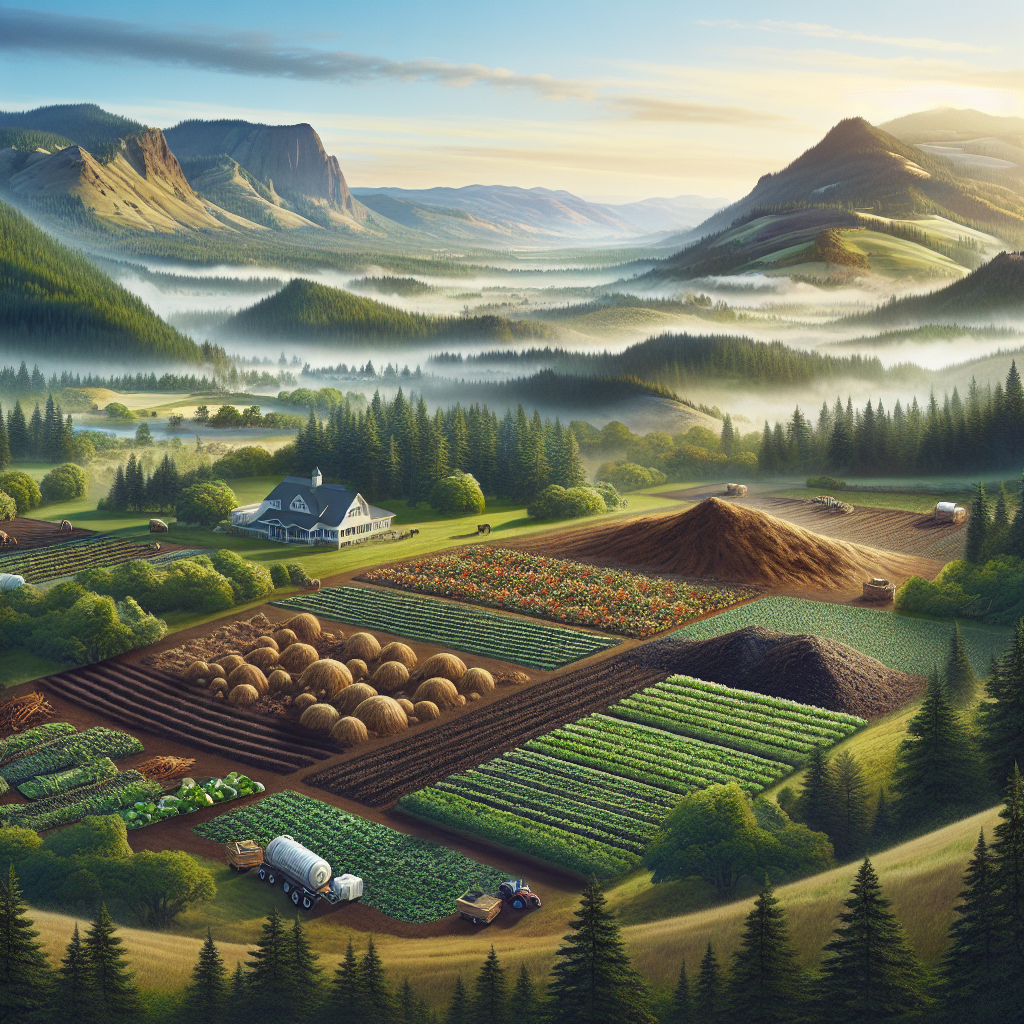
The aptly named Quiet Valley Farm, nestled in the serene landscape of Ashland, is the poster child for regenerative farming in Oregon. On this humble plot of land, time-honored farming methods marry modern scientific understanding, creating a harmonious balance most dream of.
Amy and George, the owners, aren’t just farmers—they’re custodians of the earth. Between their meticulously cared for honeybee hives and the riotous color of their sunflower fields, it’s evident that the bounty they yield is a reflection of their respect for the land.
Further north, in the fertile Yamhill-Carlton AVA, renowned for its world-class Pinot Noir, even the vineyards are seeing a transition. Maysara Winery and Momtazi Vineyard have adopted Biodynamic principles, which is essentially regenerative farming with an extra dollop of cosmic connectivity. Their vineyards are a testament to the magic of the land when left undisturbed, producing wines as complex and layered as the soil they grow in.
The Spotted Cow in the Room: The Challenges of Regenerative Farming
While it’s not necessarily all “rainbows and Chinook salmon,” as we’d like to chuckle in Oregon—where things flourish, challenges follow. Regenerative farming practices demand an awful lot of time and patience from growers. Adopting these methods often necessitates going against ingrained agricultural norms, risking yeilds, and perhaps the skeptical gaze of old-timer farmers armed with pruning shears and a jelly donut from Blue Star.
Aside from that, while Oregon has pulled off many things that other states would blink at—like getting over a million people to Portland’s Waterfront Park for the Rose Festival—equipping all farmers with the knowledge on regenerative practices is a slow process.
The Promise of Abundance: The Benefits Outweigh the Challenges
Despite these challenges, the shift towards regenerative farming in Oregon is growing. Why? Because to say the benefits are plentiful would be an understatement equivalent to saying “Mt. Bachelor occasionally gets a little dusting of snow.”
Regenerative farming leads to better yields over time because it cultivates healthy, fertile soil. This organic practice spells out fewer chemical inputs, and as any hiker praising the purity of Oregon’s alpine streams would attest, cleaner water and less pollution are always a win.
The richest payoff, perhaps, is the resilience of farms. With biodiversity and ecosystem balance instilled through regenerative practices, farms are better equipped to withstand unpredictable Oregonian weather—yes, even those surprise sun showers we often get in April.
Here We Grow: The Future of Farming in Oregon
Regenerative farming might feel as innovative as pairing a fresh Rogue River Blue Cheese with a glass of Willamette Valley Pinot Gris, but it’s rooted in time-honored traditions of land stewardship.
Oregon, with its distinct seasons, rich soils, and sprinkling of pioneer spirit, seems to be the perfect stage for this agricultural evolution. The land whispers promises of more sustainable crop yields, cleaner waterways, and an enriching habitat for local wildlife.
So, whether you’re sipping on biodynamically farmed wine, enjoying a fragrant loaf of bread from Tabor Bread made with locally sourced organic grains, or simply admiring the patchwork beauty of Oregon farmland from your favorite hiking spot on the Pacific Crest Trail, take a moment to appreciate regenerative farming—a robust gearshift toward a more sustainable and connected future. It’s not just thoughtful agriculture, it’s Oregonian at heart.