
Title: Embracing Oregon’s Winter Whites: An Insider’s Guide to Wildlife Watching in the Snow
Oregonians know winter is a particular time of magic in our great state. There’s a sense of calm that descends with the first flakes, layering our diverse landscapes with a pristine blanket of calm. More than just a chilly wonderland, winter opens up unique opportunities to observe and appreciate our local wildlife in a whole new light.
Section 1: Where to Embark on Your Winter Wildlife Adventure
Late risers might be thrilled to learn that wildlife watching in winter has its special perks. When the mercury dips, animals have a tendency to move around more during the day, reducing the need for those early morning or late night stakeouts.
In Eastern Oregon, the quiet, rural charm of the Elkhorn Wildlife Area is hard to beat. Around 1,000 Rocky Mountain Elk make this their winter home, and thanks to the feeding program, these majestic animals can often be spotted up close. If you’re just easing into wildlife watching, this might just be the place to kick-start your new passion.
The Malheur National Wildlife Refuge is another gem, its quiet winter shroud only disrupted by the honking of geese or the occasional flutter of snow falling off trees. This 187,000-acre haven is teeming with wildlife year-round, but winter brings a rare stillness that amplifies each sighting.
Finally, our coastline comes alive in its own special way as the winter chill sets in. Post up at the iconic Shore Acres State Park or Ecola State Park to catch sight of migrating gray whales.
Section 2: What You May Spot
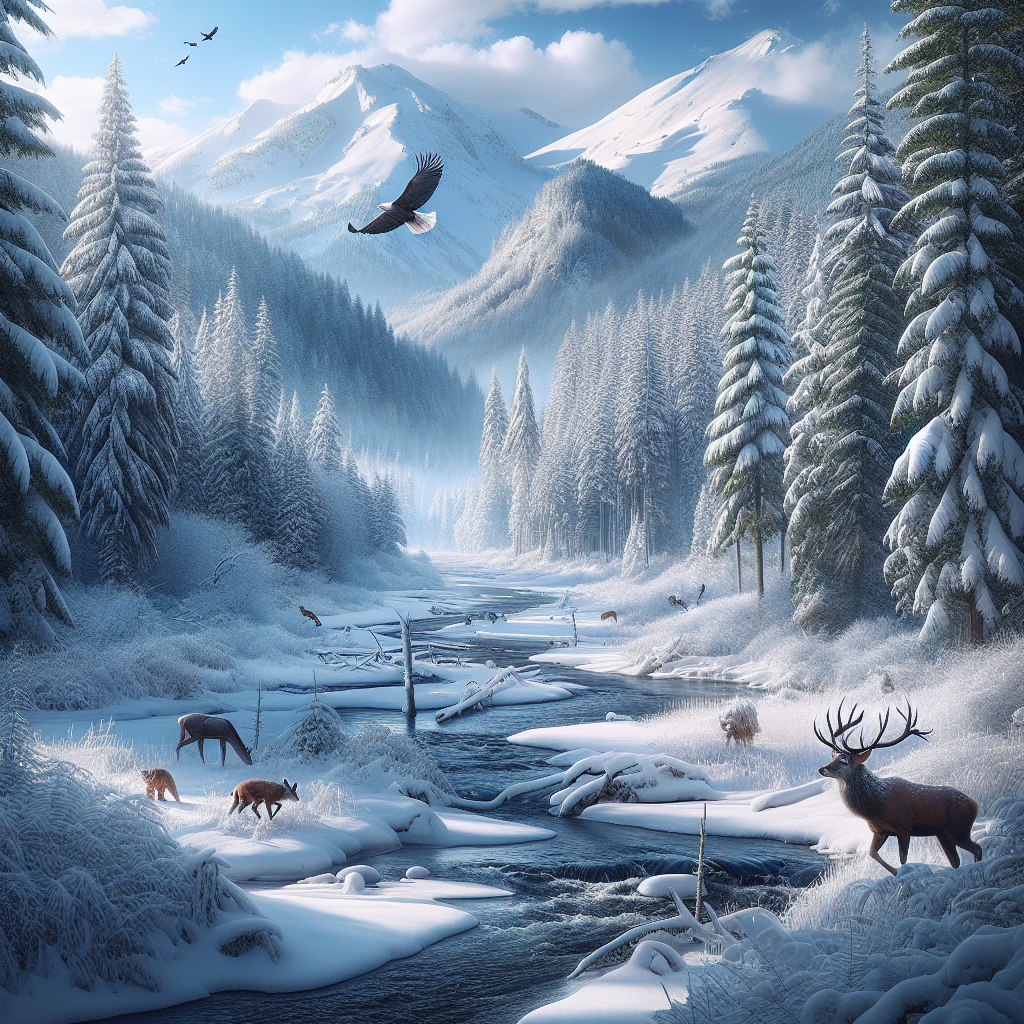
There’s no end to the variety of wildlife you might encounter on your Oregon winter adventure. Be on the lookout for bald eagles circling overhead or a herd of mule deer foraging in the meadows. Maybe you’ll spy a busy American beaver leading her kits through icy waters, or a northern river otter playing in the snow-dusted banks.
Good news for bird enthusiasts, Sandhill Cranes flock by the thousands to Harney Basin every winter. Of course, simply watching the winter antics of Oregon’s state bird, the Western Meadowlark, can be pure joy. While it might not seem like it, winter birdwatching can be unusually vibrant in our fair state.
Section 3: Tips for a Memorable (and Respectful) Wildlife Experience
When exploring Oregon’s winter wildlife, it’s always important to remember: We are guests in their home. Keep a respectable distance, and avoid causing any disturbance. This also increases the chances of seeing more animals behaving naturally.
Remember, in places like Hart Mountain National Antelope Refuge, the antelope aren’t the only ones out and about. Coyotes, rabbits, and even bobcats can be spotted so keep your eyes open and your camera at the ready.
Winter weather in Oregon demands layers — especially if you’re planning to spend time on the coast where the coastal weather changes quickly in the afternoon. Dressing in layers makes it easy to adjust to the whims of the Oregon winter climate. And don’t forget binoculars. There’s really no better tool to bring the beauty of Oregon’s wildlife within reach while maintaining a respectful distance.
Section 4: Wrapping Up Your Winter Wildlife Adventure
One of the beautiful things about wildlife watching is that it doesn’t really end – it just evolves. As the last vestiges of winter melt away, signaling the onset of spring, different species start to steal the spotlight.
Of course, no guide to winter wildlife would be complete without mentioning the convenience of nearby comfort offered by towns like Baker City and Lakeview. After a day out in the cold, there’s nothing quite like the warmth of a local diner or a cozy B&B.
Final Thoughts:
There’s something truly special about immersing oneself in Oregon’s winter wildlife scene. It’s a raw, untamed experience that harmonizes with our desire for peaceful solitude and reflective calm. It reminds us that even in the harshest of seasons, life continues to thrive.
Take it slow, stay warm, and let Mother Nature do the rest as you enjoy your winter wildlife watching in Oregon. It’s an experience like no other, and rest assured, it’s one that will leave you with stories fit for the campfire and a newfound appreciation for the beautiful state we call home.