
Title: A Novice’s Journey Into Mushroom Identification in Oregon
Introduction
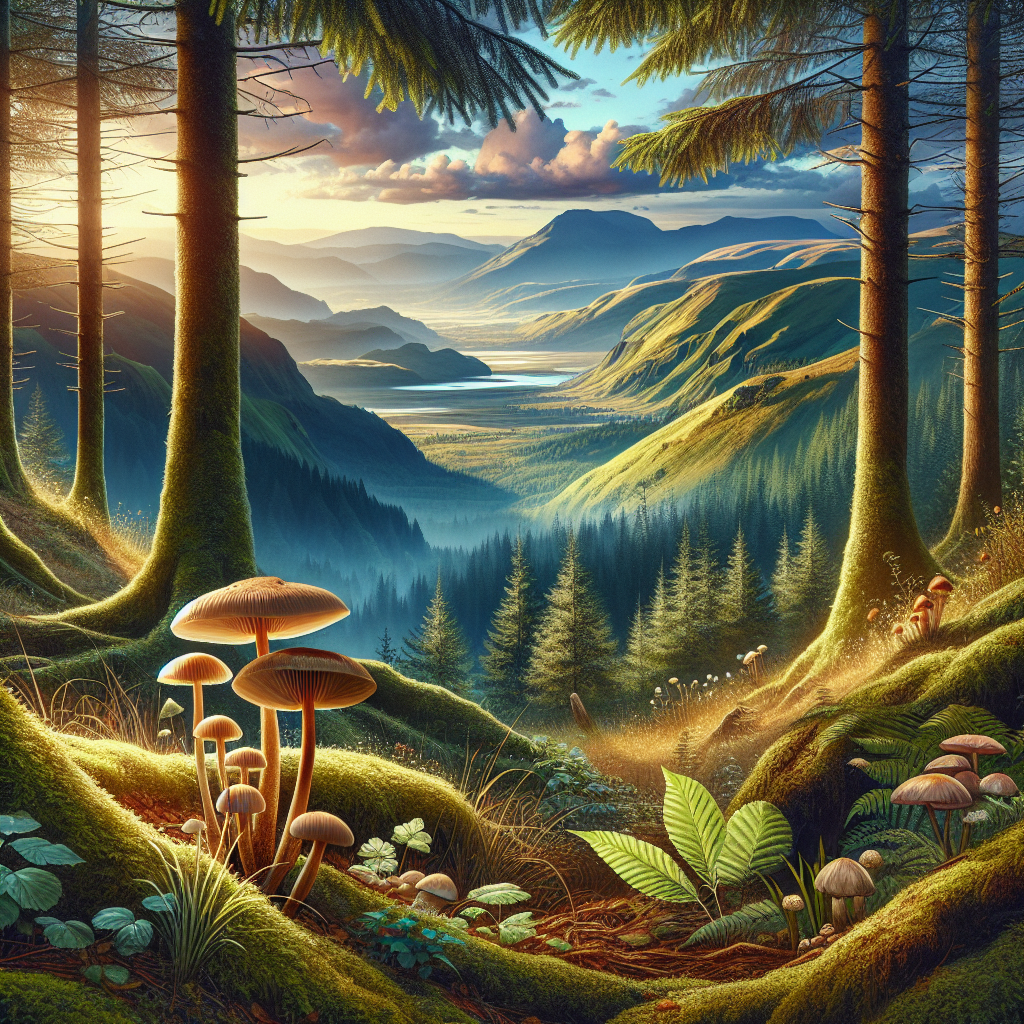
Venturing into the dew-dropped forests of Oregon, you’re bound to stumble upon captivating fungal displays peeking from beneath the mossy blankets. Yes, welcome aboard the fascinating journey of mushroom identification in our loving home state. It’s crucial to know your mushrooms as picking them can be entertaining, but can also pose dangers if done wrong.
Spotting the Moist Coastal Fungi
Beginning the fungal journey on Oregon’s magnificent coast, littered with lush Firs and Sitka Spruces, a mushroom searcher’s delight awaits. Aptly named for their love of moist coastal environment, Chanterelles, the golden trumpet-like mushrooms, start revealing themselves from mid-summer till late fall. Their yellowish-orange hue can’t be missed amidst the fallen leaves near Cape Perpetua Scenic Area or in Tillamook State Forest. Remember, these are false gills, not true gills!
Forest Floor Masters: Morels and Boletes
Moving inland, the conversation switches to Morels and Boletes. Morels are elusive, but their unique honeycomb tops unmistakable. A local’s insider scoop? Check near Cottonwoods along the banks of the famous McKenzie River after the first warm rains of spring. Pro-tip, though. Morels pair excellently with Pinot Noir from Willamette Valley.
Boletes, recognized by their pored underside, are often found beneath Ponderosa Pines of Deschutes National Forest. But beware, Boletes have some toxic look-alikes, so don’t forget the golden rule: you must be 100% certain of identification before you dare take a bite.
The Artist’s Palette: Turkey Tails and Lobster Mushrooms
Sometimes mushrooms can surprise you with their incredibly artistic presentation. In the dappled woods of Silver Falls State Park, it’s easy to spot Turkey Tails clinging onto logs. These majestic mushrooms have a striking rainbow pattern that resembles a turkey’s tail.
Around August, the woods of Mount Hood National Forest blush from Lobster Mushrooms, an intriguing mutant that covers another mushroom giving it a reddish, seafood-like appearance. But remember to take only pictures if mushroom picking isn’t allowed in these protected areas.
When the Season Takes Charge
Oregon’s split between the wet west coast and drier east gives mushroom seekers different experiences with changing seasons. It even dictates the kinds of mushrooms that’ll make an appearance. Winter, particularly, sees a unique mushroom, aptly named the Winter Chanterelle or Yellowfoot, popping up under conifers in the chilly hills of Columbia River Gorge.
Warnings: Not All Fungi are Friendly
Oregon’s fungal spectrum is diverse, and it’s vital to differentiate the friendly from the fatal. The majestic Death Cap, commonly mistaken for the edible Paddy Straw mushroom, has a deadly moniker for a reason. Inexperienced foragers should absolutely avoid picking mushrooms found near Mount Pisgah Arboretum, as many poisonous varieties grow there. Always remember: a single poorly-identified mushroom can put you in serious danger.
End the Day Right at Oregon’s Mushroom Havens
It’s not always about solitary trips—the shared love for mushrooms brings Oregonians together. Eugene’s Mount Pisgah Mushroom Festival gathers mycologists and enthusiasts for a fun-filled day of engaging walks and enlightening talks every October. Another popular spot for a post-foraging meal is WildCraft Cider Works, known for incorporating locally foraged ingredients into their menu.
In Conclusion
While Oregon embraces mushroom seekers with open arms, remember that the land’s enchanting beauty and bounty involves a responsibility to respect and protect it. Just like many locals do, educate yourself, follow the rules, and engage with reverence. Now go forth, into those magical Oregon forests, and begin your fascinating mushroom journey. Happy mushroom hunting, friends!