
The Greening of Oregon: The Rise of Regenerative Farming
Let me weave you a tale, much like the lush vines of a Willamette Valley Pinot Noir. It’s a tale about how Oregon’s land, long cherished for its fertile soil and diverse ecosystems, is seeing a resurgence of an age-old practice. A practice aptly called regenerative farming.
From Sea Pines to Wallowa Range, a Quiet Revolution
Regenerative farming is hardly a stranger to Oregon’s winding trails and expansive farmlands. From the misty shores of Cannon Beach where sea pines sway, to the lofty heights of the Wallowa range, this style of farming is sprouting and making it’s mark on our wonderful Beaver State.
This movement is more than simply going ‘back to the roots.’ It’s about revitalizing them, nourishing them, for farmers and consumers alike. It’s a return to traditional farming practices, but with a dash-emblematic of our fiery Oregon spirit-of modern ecological wisdom.
Look around, to Hood River apple orchards groaning under the weight of delicious Honeycrisps, or shimmering fields of blueberries in Lane County. You’ll notice something peculiar. Farmers are moving the gears a tad slower, letting Mother Nature drive. It’s less about big machines and more the delicate touch nature provides amidst our vast and varying landscapes.
Maverick Farming and Pioneer Spirit
Regenerative farming is not about fighting the land, it’s about dancing with it. Allow me to introduce you to Jeff and Anna King at King’s Hill Farm, just a stone’s throw from Silverton. These aren’t just any ordinary farmers, they’re pioneers sculpting change into the pumpkin clay loam soil.
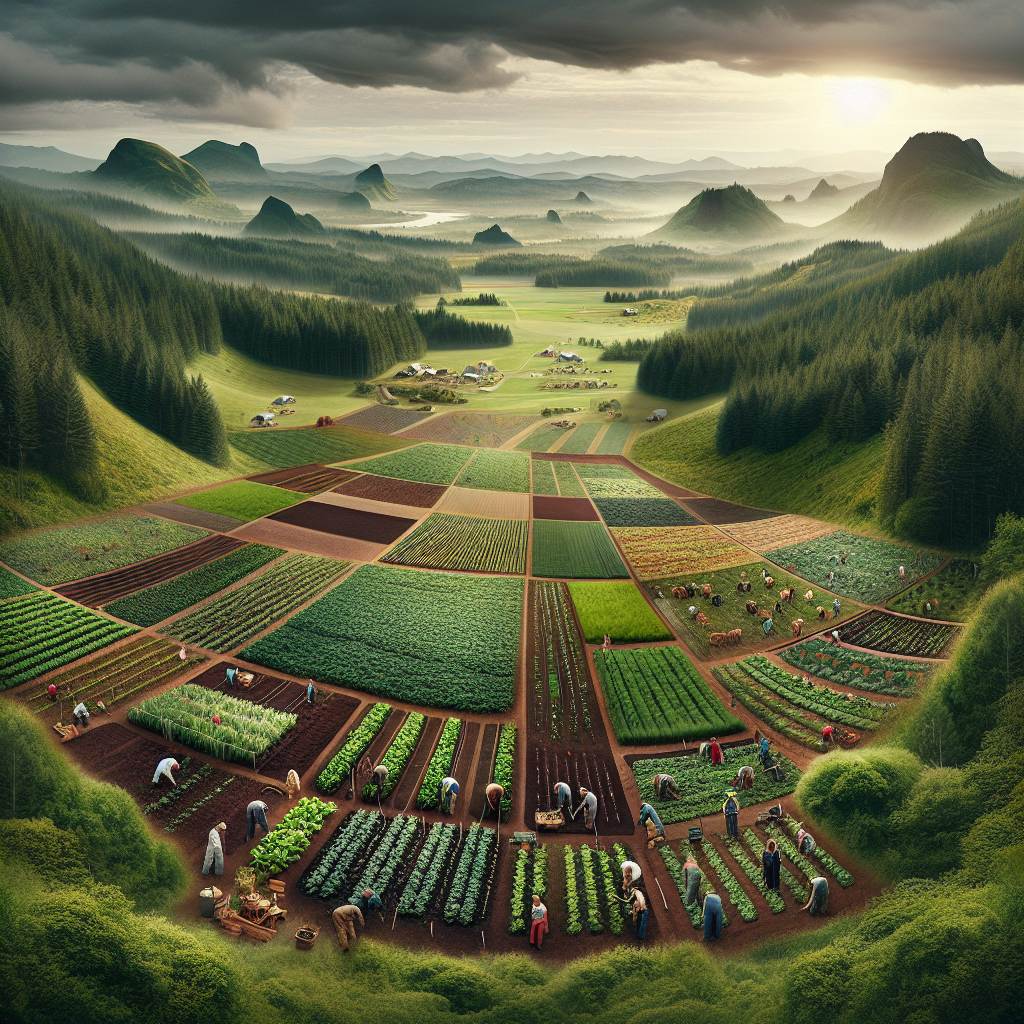
The Kings might not wear their flannel like it’s the Pendleton Round-Up every day, but don’t be fooled. They’re as Oregon as a plate of marionberry pie served with a side of interesting weather conversation. At their farm, you won’t find mile-wide swathes of a single crop. Instead, you’d see heritage radishes budding shoulder to shoulder with bushy basil, a harmony of nature imitating a forest rather than a factory.
An Embrace of the Wild
Just as Hayden Island folks know the dance of the Columbia River, regenerative farmers know the dance of their land. They allow their flocks to roam, stirring the soil, and spreading the wealth that is the natural manure. It’s farming that imitates the wild, with a dollop of Tillamook butter on top.
Down Rogue River way at the Oshala Farm, they know a thing or two about this. They let their plants grow the way they’d be in the wild – in communities. Might seem like a Beervana pub scene, but it’s good for the plants and the soil. And the best part? When you wash it all down with a pint of local brew – it’s also incredibly good for the taste buds.
Let’s not forget Diamond T Ranch over in Bend, either. With their herds of contentedly grazing cattle enriching the soil, and a farming system that shows love to every animal, it seems like the Deschutes itself is applauding their efforts.
Farming with Generations in Mind
Regenerative farming is more than a farming choice. It is a declaration of love for Oregon and all it blossoms with. It’s the very epitome of everything we hold dear – crisp, clean ocean air, lush fertile valleys, snow-draped mountains, and sunlit high-desert plains. And all of it bathed in that liquid sunshine we Oregonians so relish; yes, even when we grumble about it.
At the end of the day, it’s not just about this season’s harvest or the next. It’s farming with our great-granny’s wisdom and our great-grandchildren’s future in mind. It’s the Willamette Valley’s Pinot taking on a richer taste, and the Rogue Creamery Blue Cheese having a dash more pizzazz.
As you walk the aisles of your local New Seasons Market or find yourself at one of Portland’s bustling farmers’ markets, give that organically grown Hood River apple or that grass-fed beef from Eastern Oregon a second glance. You’ll not only be tasting the delectable deliciousness of Oregon but also partaking in an ageless dance with the land that keeps us vibrant and fresh, just like a spring morning in Crater Lake.
The roots of Oregon run deep and through regenerative farming, they are becoming all the more sturdy and sustainable. So, next time you drive past a farm, slow down and doff your cap to these farmers – the quiet heroes nurturing our state’s land and our bellies, one responsible swoop of the hoe at a time. Here’s to regenerative farming, to Oregon, and to the love that binds them both.