
Essentials of Seaweed Foraging: A Beginner’s Guide
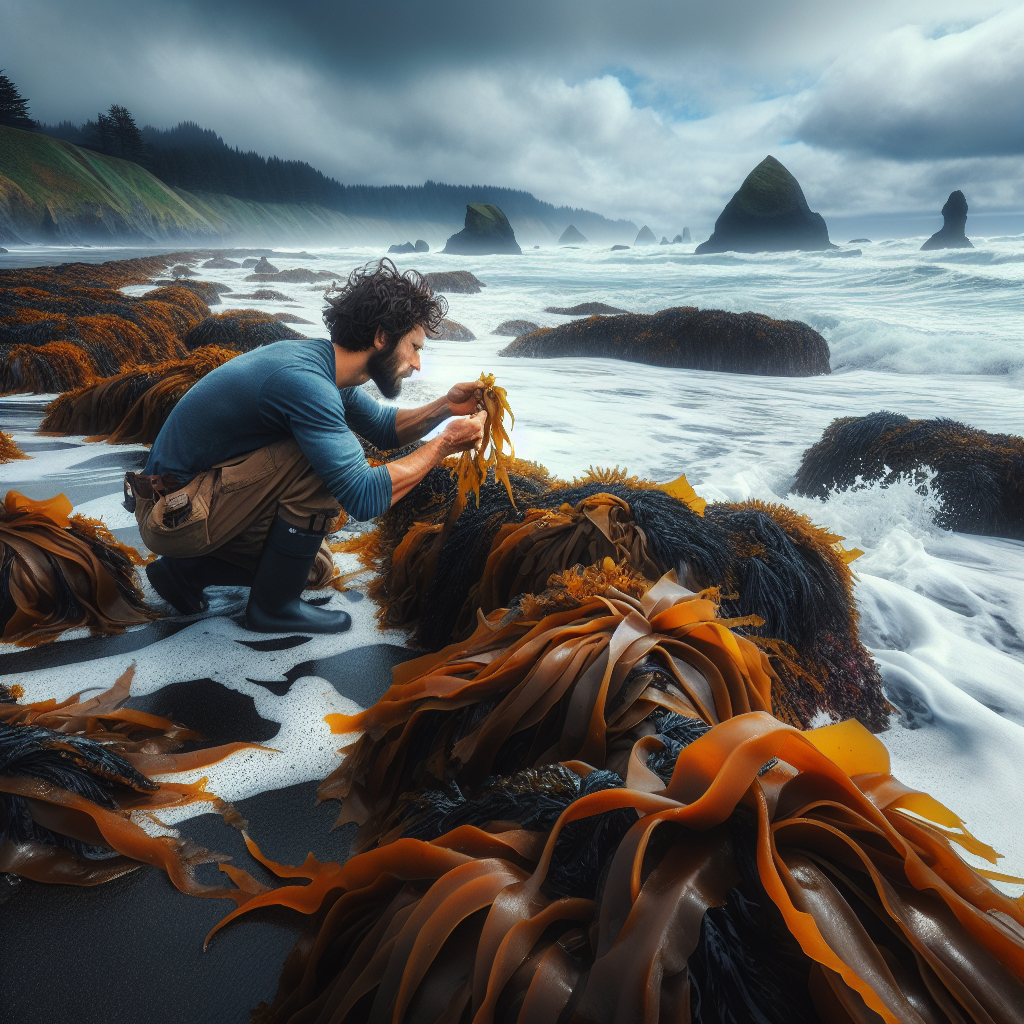
For those eager to plunge into Oregon’s rich maritime bounty, there’s no better surprise lurking beneath the foamy waves than the nutritious seaweed. Right from the secret coves of Brookings to the rugged beach at Coos Bay, Oregon’s resilient coastline promises a delightfully salty and venturesome experience. Let’s make the most of it with these handy tips and cautious advice on seaweed foraging from a seasoned Oregonian.
Identifying the Right Seaweed
The very first step in seaweed foraging is identifying the right kind. Among the coast’s numerous varieties, the Pacific Northwest coastal areas, including Oregon, are particularly abundant in kelps, sea lettuce, nori, and dulse. Though all are safe to eat, their flavors vary greatly, with dulse and nori tend to be far more popular for their robust flavors. Watch for lush green or reddish-purple fronds clinging to intertidal rocks. These are typically your safe picks.
Low Tide is the Ideal Time
Oregon’s lunar tide patterns are an open secret among locals. For the safest and most fruitful seaweed harvesting, aim for the extra-low tides. The Seaside Aquarium is a good place to start, with public tide tables posted regularly. Another insider tip: December and January often offer the lowest tides of the year, providing an excellent chance to scout new harvesting spots.
Where to Forage?
The seaside spots along the Oregon Coast provide ample foraging ground. Head for Oswald State Park’s lesser-known trails leading to quiet beaches or follow paths to the secluded parts of Cannon Beach. Similarly, explore the sprawling intertidal zone near Haystack Rock during low tide, a coveted spot among veteran foragers.
Harvesting Considerations
Remember, take only what you need. Although seaweed replenishes rapidly, it’s essential to be mindful of the bigger ecosystem at play. A good rule of thumb is “the one-third rule”— harvest only a third of any single patch.
Locals are wary of foraging after heavy rains, as Oregon’s coastal waters can be temporarily contaminated with run-offs. Checking with the Oregon Health Authority can help avoid any such instances.
Foraging Etiquette follows
Engaging in the quiet rhythm of foraging along the Oregon Coast is as much a responsibility as it is a privilege. Avoid trampling on tide pools, and tread lightly around the beach fauna. Most importantly, remember to check the regulations governing seaweed harvesting. Different areas, such as the Cape Perpetua Marine Reserve, have strict rules about foraging.
Timely Processing of Seaweed
Seaweed deteriorates rapidly, so it’s crucial to process it on the same day. Freshly harvested seaweed can be eaten raw, cooked, or dried straightway for future use.
Dress Appropriately
The coastal weather wakes up late and changes quickly in the afternoon. Dressing in layers, having sturdy rain gear, and wearing waterproof boots are strongly recommended for adventurers exploring the coastline. Bike gloves or gardening gloves can also provide protection while handling seaweeds.
Foraging Safety Tips from Locals
While the tranquil image of the coastline might be tempting, the Pacific Ocean’s water temperature generally remains chilly year-round, even on warm and sunny days. Those new to the coast often underestimate this fact. Always check the local weather report for the area you’ll be exploring — watch for sudden afternoon fog that the Oregon coast is notorious for.
There’s a saying among locals – never turn your back to the sea. Sneakier tides can creep when least expected. Keeping an eye on the waves and maintaining a safe distance is vital for any beachcomber.
There are risks to foraging near the popular Haystack Rock, where enthusiastic, but unwary, tourists might dislodge rocks while trying to get a closer look at tidepool critters. This is one reason why seasoned foragers head towards lesser-explored corners.
Ending Notes
Relish the salt-kissed winds and the ocean’s hum blending in harmony with flocks of terns. There’s no better time than now to dive into the art of seaweed foraging along the diverse Oregon coastline.
Though the beach terrain could be challenging and the weather mischievous, thoughtful preparation, and a bit of sagacity borrowed from local knowledge can transform a tentative trip into a rewarding adventure.
Remember, seaweed harvesting is about more than just loading up on this nutritious resource; it’s about connecting with nature. Embrace those fleeting moments as the tide withdraws, revealing prizes nestled in between rocks or getting swirled around with foamy waves. Seaweed foraging on the Oregon coast is akin to treasure hunting; only here, the wealth is all around you, waiting to be reaped, relished, and respected.