
Title: Traditional Indigenous Foods of Oregon: A Cultural Exploration
The Alluring Flavors of the Pacific Northwest
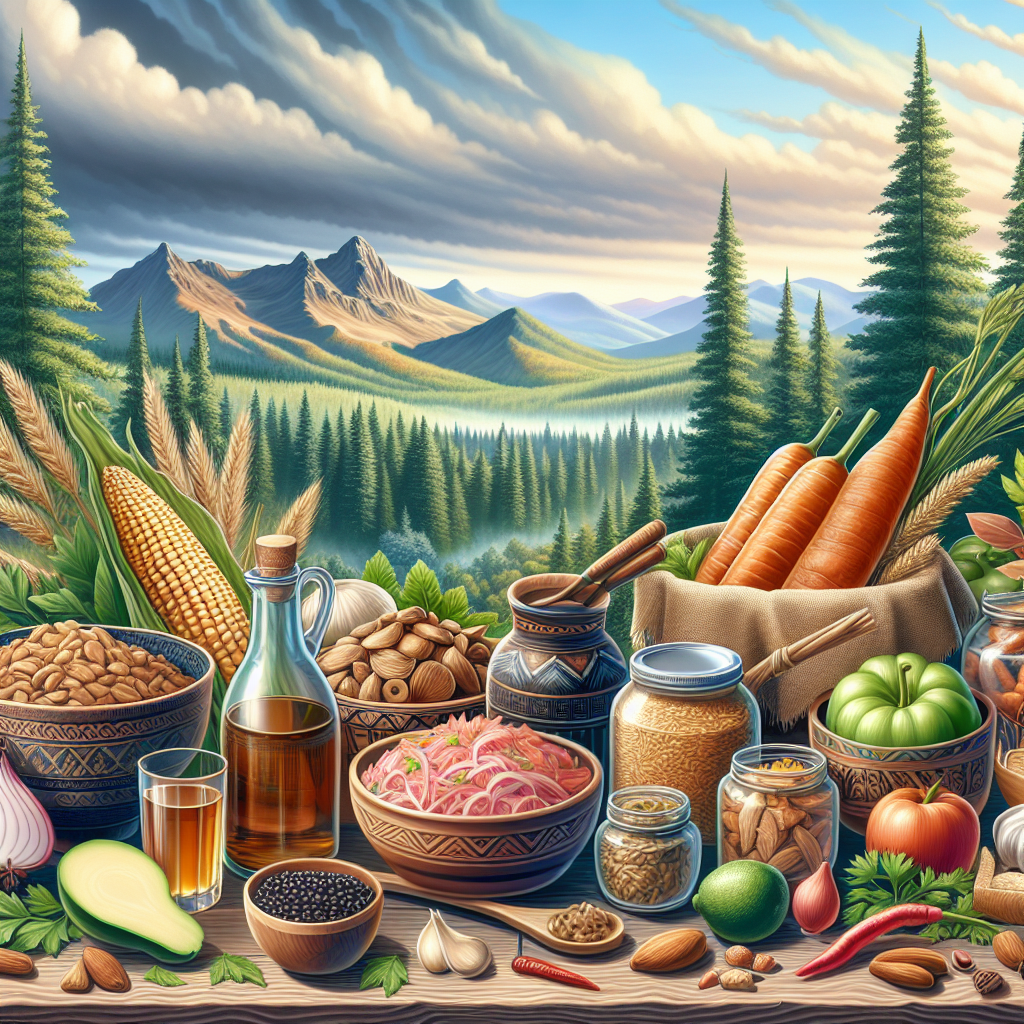
When the whispering breezes of the Oregon coast mix with the earthy mist rising from Willamette Valley vineyards, or when you glimpse the towering firs and pines blanketing the slopes of Mount Hood, it’s impossible not to feel a deep sense of connection with nature that Oregon so generously offers. And this connection is arguably best explored through the rich tapestry of traditional indigenous foods that tell a history centuries old, a story interwoven with passion, skill, and reverence for the land.
An Ode to the Columbia River
Imagine the dawn breaking over the Columbia River, the morning sun casting shimmering lights on its icy blue hue. Around its bends, the Chinook Tribe once harvested one of the most revered ingredients in their culinary repertoire – the succulent and nourishing Salmon. Today, tribal fishing platforms along the Columbia Gorge still echo with tales of traditional fishing.
Fresh river salmon, prepared over a low, wood-fired flame as the Chinook people did, evokes flavors of uncompromising purity and authenticity. Paperbark Fish and Chips, a local joint downtown, masterfully articulates this harmony by serving their take on Oregon salmon with a delicious twist.
The Versatile Oregon Huckleberry
A hike into the heart of the Rogue River-Siskiyou National Forest isn’t complete without savoring the bountiful and beloved Oregon huckleberry. It serves as a staple ingredient in many indigenous recipes from pies to pemmican. A nearby gem, BerryLicious Huckleberry Trails café, is renowned for their huckleberry pie – a crusty, sweet delight that’s an ode to traditional Oregon indigenous flavors.
The Nutritious Bounty of Camas Roots
In the lush grasslands surrounding the Painted Hills, camas flowers color the landscape with hues of blue. The nutritious camas bulbs, tended and harvested by indigenous women for centuries, were a precious staple. They were slow-roasted in earthen ovens, a process that transformed them into a sweet, browned staple with a unique fusion of flavors. Modern Oregon palates can explore this culinary wonder at dinner held by local farms such as the celebrated Peaceful Belly Farm. They feature camas bulbs in several dishes, taking visitors on a delectable journey back in time.
Tradition in Every Kernel of White Corn
In Southern Oregon’s Klamath Basin, Modoc and Klamath tribes valued white corn above all other crops. Traditionally ground against lava stones into meal or flour, it graced tribal tables in forms like soups, breads, or as succotash. Fast forward to present day, and you’ll find this ancient grain creating culinary magic in Beaver State Cornbread Company, where the cornbread does Oregon ancestors proud.
The Piquant Oregon Grape
The Oregon grape, the state flower, was more than just a pretty bloom to Oregon’s indigenous communities. Its bright yellow flowers conceal a bunch of tart, purple berries that were used to make a zingy, delightful juice. In season, you can find it making guest appearances on the menus of eclectic eateries like the Hawthorne Hunt, often served as a refreshing mocktail that is quintessentially Oregon.
The Unassuming Yet Powerful Stinging Nettle
Used by tribes like the Umatilla for its nutritional and medicinal virtues, the stinging nettle is one of Oregon’s natural treasures. Hardly your typical side-dish, nettles find their way into the Oregon culinary lexicon as nettle soup, pesto, or tea. On an adventurous foray, the nettles from Sauvie Island bring a unique and nutritious zing to your palate.
Oregon’s indigenous culinary heritage is a true reflection of its earthy, wild essence. Its traditional flavors speak to the harmony between its people and the land stretching from the Columbia River to the golden fields of the Painted Hills. These stories of Oregon are told in every savored bite, encapsulating the natural beauty and genuine quirkiness alike. So, as the locals say, ‘Enjoy the bounty, after all, we aren’t here for a long time, we’re here for a good time!’. So why not soak in these exquisite, deeply rooted flavors that are as diverse and beautiful as Oregon itself? Now that’s a journey worth every bite.